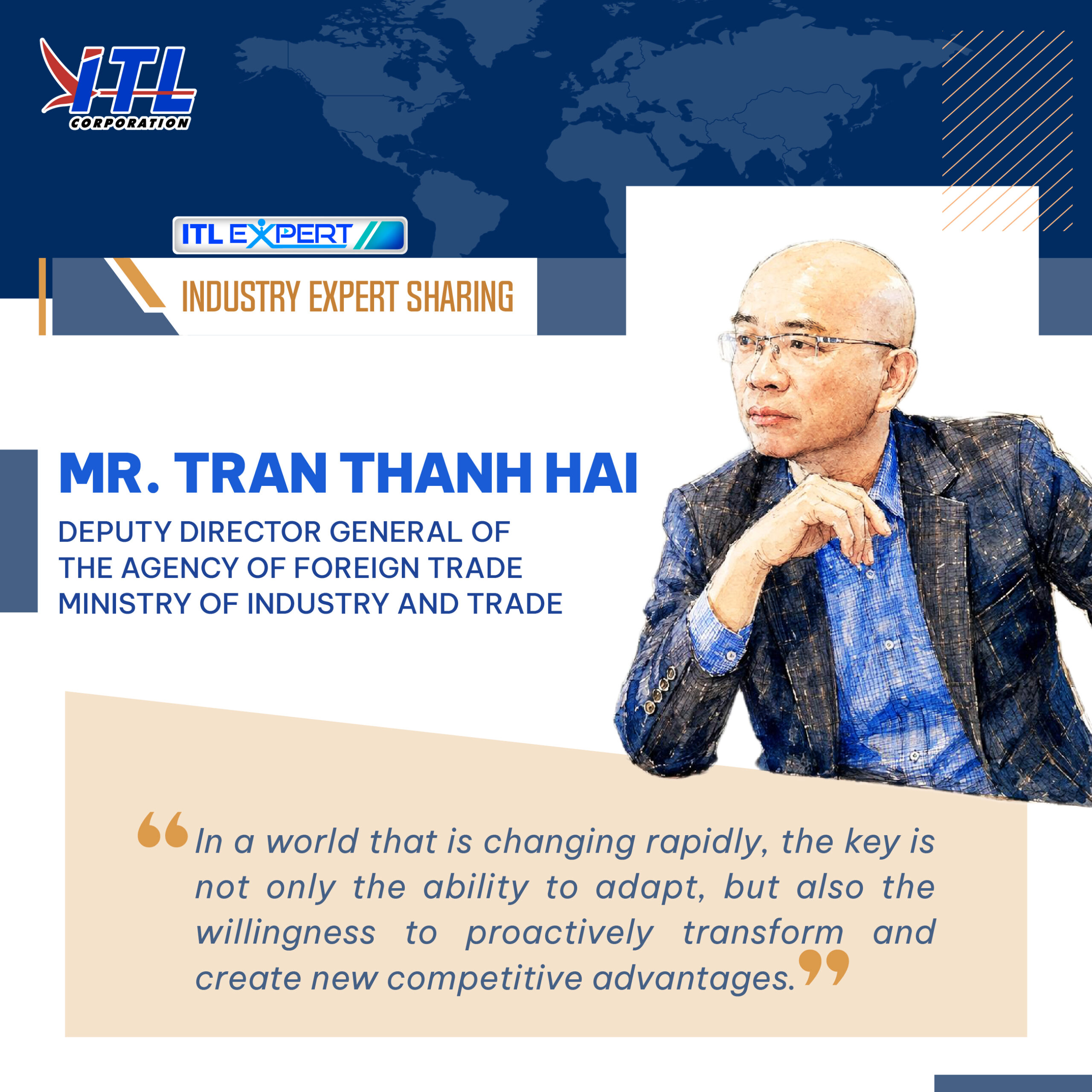
[ITL Expert – Industry Expert Sharing] Mr. TRAN THANH HAI – Deputy Director General of the Agency of Foreign Trade – Ministry of Industry and Trade
“In a world that is changing rapidly, the key is not only the ability to adapt, but also the willingness to proactively transform and create new competitive advantages.”
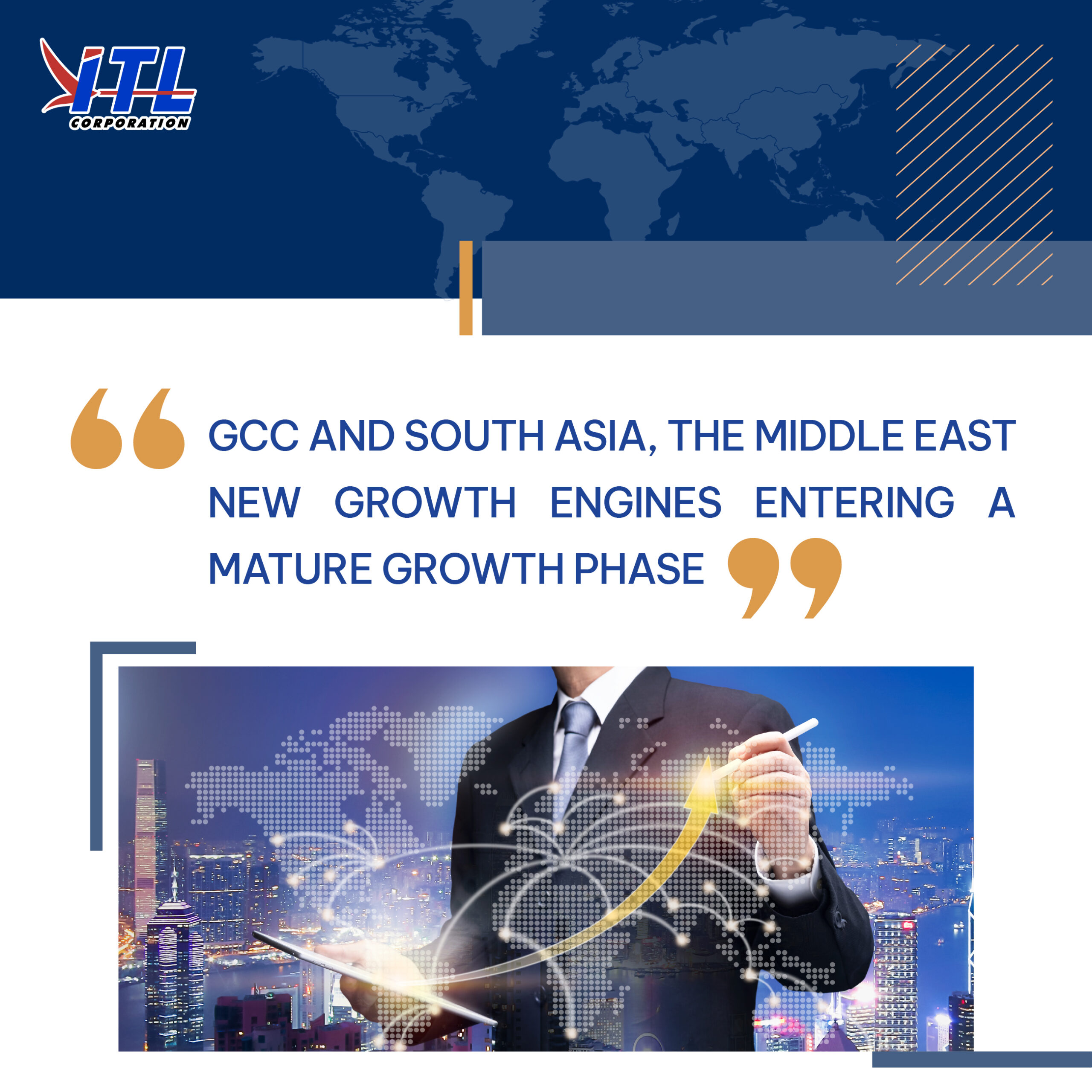
“GCC and South Asia, the Middle East – New Growth Engines Entering a Mature Growth Phase”
- In 2026, alongside traditional markets such as the U.S., EU, and China, many positive signals are also emerging from newer regions including the Middle East, South Asia, and the GCC. From your perspective, which opportunities are truly reaching maturity and becoming ready for Vietnamese businesses to capture? And to seize these opportunities effectively, what should businesses start preparing from now?
In my view, alongside maintaining traditional markets, 2026 is also the right time for Vietnamese businesses to proactively adopt a “multi-market” strategy and capitalize on the growing opportunities in the Middle East, South Asia, and especially the GCC (Gulf Cooperation Council) region. While the U.S., EU, and China remain irreplaceable pillars, the Middle East, South Asia, and the GCC are emerging as the most promising new growth engines entering a mature phase of development.
First, the GCC region, including economies such as the UAE, Saudi Arabia, Qatar, and Kuwait, is emerging as a highly promising market with strong purchasing power, high import demand, and an increasing focus on diversifying supply sources beyond traditional partners. Vietnamese products such as agricultural goods, processed foods, Halal seafood, textiles and garments, wooden furniture, construction materials, and consumer electronics all have substantial growth potential in this market. In particular, the UAE is emerging as a major regional trade and transshipment hub, creating opportunities for Vietnamese goods to access more deeply the broader Middle East and African markets. With the global Muslim population accounting for nearly one-quarter of the world’s population, together with strong support from the Vietnamese Government’s “Project on Strengthening International Cooperation to Develop Vietnam’s Halal Industry by 2030,” 2026 is expected to mark a period when agreements such as the Vietnam-UAE Comprehensive Economic Partnership Agreement (CEPA) are operating in a more stable and effective manner.
Second, South Asia, particularly India, Pakistan, and Bangladesh, is placing increasing priority on food security and supply chain stability. These are highly populated markets with rapidly growing consumer demand and expanding import needs for raw materials and consumer goods. In recent years, trade relations between Vietnam and these countries have recorded positive growth momentum, while significant room for further cooperation remains, especially in sectors such as agriculture, chemicals, industrial materials, electronics, Logistics, and supporting industries.
In addition, we believe the Middle East as a whole is opening up new opportunities amid the ongoing restructuring of global supply chains. Many partners in the region are not only interested in importing goods, but are also increasingly seeking investment cooperation opportunities in Logistics hubs, bonded warehouses, and distribution centers for Vietnamese products across the region.
This direction is also closely aligned with the spirit of Decision No. 2229/QĐ-TTg issued by the Prime Minister, approving the Vietnam Logistics Services Development Strategy for 2025 – 2035, with a vision towards 2050. The strategy emphasizes the development of a modern Logistics sector that is deeply integrated into global supply chains, expands international markets, and enhances the competitiveness of Vietnamese enterprises.
However, to turn these opportunities into actual orders and sustainable market share, businesses need to begin preparing well in advance.
The first priority is to fundamentally shift the market approach. Regions such as the GCC and South Asia each possess unique characteristics in terms of culture, consumer behavior, technical standards, and business practices. Vietnamese businesses can no longer rely solely on a simple “export-and-sell” mindset. Instead, they need to invest in in-depth market research, develop long-term strategies, and build reliable local partnerships. Rather than focusing only on pushing products into these markets, businesses should actively seek strategic local partners to establish warehouses, distribution centers, or even manufacturing joint ventures. This approach not only helps to reduce Logistics risks, but also enables companies to gain deeper insights into local consumer behavior and market dynamics.
Second is the issue of standards and certifications. For example, in Muslim markets, Halal certification is increasingly becoming an almost mandatory requirement for many categories of food, beverages, and consumer products. At the same time, although these are considered emerging markets, the global shift toward sustainable consumption is also rapidly influencing the GCC region. Markets in the GCC are beginning to implement stricter technical requirements related to carbon footprint reduction and green standards (ESG). These are no longer niche considerations, but are gradually becoming a “market entry ticket” for businesses seeking deeper access into the Middle East.
Third, businesses need to strengthen their Logistics capabilities and supply chain adaptability. Emerging markets are often characterized by long geographical distances, high logistics costs, and demanding requirements for stable and reliable delivery. Therefore, companies must proactively optimize transportation, warehousing, cargo insurance, and supply chain operations, while effectively leveraging international shipping routes and global transshipment hubs.
Finally, I believe the most important factor remains a company’s internal competitiveness. In an increasingly competitive global landscape, businesses seeking sustainable growth must invest in product quality, digital transformation, supply chain transparency, and professional brand building. Emerging markets today do not lack demand; however, they are placing increasingly higher expectations on the professionalism, credibility, and reliability of suppliers.
If businesses begin preparing effectively from now, I believe the 2026 – 2030 period will present a highly favorable opportunity for Vietnamese enterprises to expand their presence in emerging markets and gradually integrate more deeply into global supply chains.
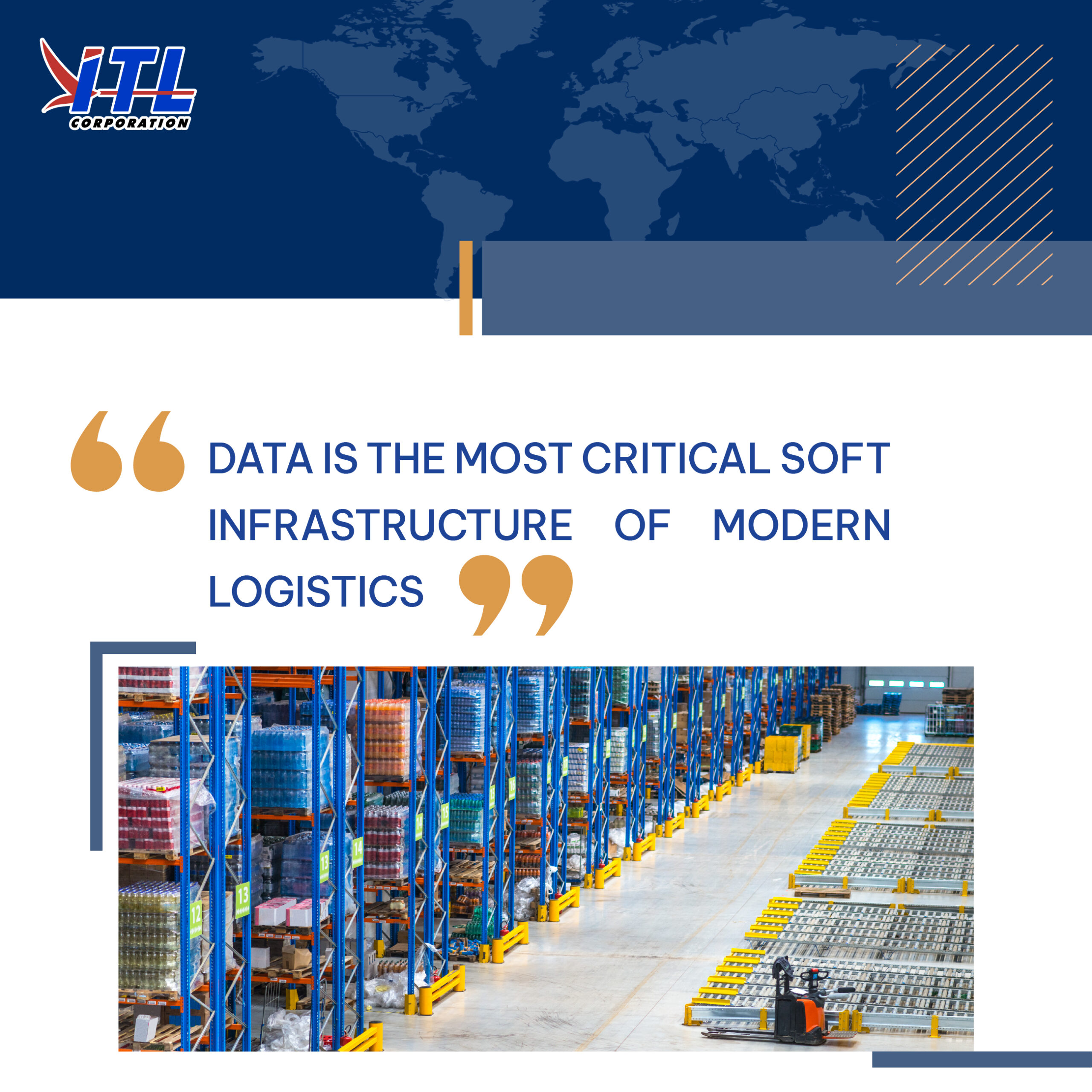
“Data is the most critical soft infrastructure of modern Logistics.”
- Digital transformation and technology adoption are increasingly being viewed as key drivers for Logistics companies to enhance their competitiveness. How do you assess the current innovation and technology adoption capabilities of Logistics enterprises today? And in your opinion, what should be the most practical priority for Vietnamese Logistics companies in 2026?
It can be said that digital transformation is no longer an optional trend, but has become an essential requirement for Logistics enterprises seeking to enhance competitiveness and integrate more deeply into global supply chains. From my perspective in mid-2026 – a significant milestone as Vietnam has officially announced Vietnam Logistics Day and Vietnam Logistics Week (May 6th) – I would like to share the following assessment and recommendations for the business community:
In recent years, we have witnessed encouraging progress among Vietnamese Logistics enterprises in technology adoption and digital transformation. Several major companies have begun investing in smart warehouse systems, real-time transportation management, AI-driven route optimization, and digital platform integration with customers and international partners. In particular, the rapid growth of e-commerce is accelerating the transformation of Logistics operating models and raising expectations for service quality and operational efficiency.
However, from a broader perspective, the level of digital transformation across Vietnam’s Logistics sector remains uneven. Most Vietnamese Logistics companies are small and medium-sized enterprises with limited financial capacity, making comprehensive technology investment a significant challenge. Many businesses are still at the early stage of digitizing individual operational processes, while end-to-end data connectivity between internal departments and external stakeholders, including customers, customs authorities, ports, and carriers, remains limited. This fragmentation continues to be one of the biggest bottlenecks, increasing operational costs and reducing the efficiency and speed of cargo movement.
Another important point is that many businesses still view digital transformation primarily as an investment in software or hardware, while the true core of transformation lies in reshaping management models, operational mindsets, and data utilization capabilities. Without a comprehensive strategy and the right human resources to support it, technology investments alone may not deliver the expected level of effectiveness or long-term value.
In my opinion, the most practical priority for Vietnamese Logistics enterprises in 2026 is to pursue digital transformation in a focused, practical, and scalable manner that aligns with their operational size and capabilities, rather than attempting to follow overly large-scale or fragmented technology models.
First, businesses should prioritize building an integrated operational data system. Today, data has become the most important “soft infrastructure” of modern Logistics. By effectively managing data related to orders, transportation, warehousing, customers, and operational costs, businesses can optimize operations, reduce costs, and significantly improve forecasting and decision-making capabilities.
Second, businesses need to strengthen digital connectivity across all stakeholders within the supply chain. Modern Logistics is no longer a standalone operation, but an interconnected ecosystem. Businesses that can connect faster, operate with greater transparency, and share data more effectively will gain a stronger competitive advantage in the market.
In addition, businesses should place greater emphasis on developing a digitally skilled workforce. Technology itself can be purchased, but the ability to operate, utilize, innovate, and create value from technology is what ultimately determines long-term effectiveness and sustainable competitiveness.
Also, I believe that green Logistics and smart Logistics will become increasingly prominent development trends in the years ahead. Therefore, businesses should gradually invest in energy-efficient solutions, transportation route optimization, emissions reduction initiatives, and enhanced traceability and supply chain transparency in order to meet the growing requirements of international markets.
If digital transformation and technology are leveraged effectively, Vietnamese Logistics enterprises will have a strong opportunity to narrow the gap with international competitors while enhancing their role within regional and global Logistics supply chains.
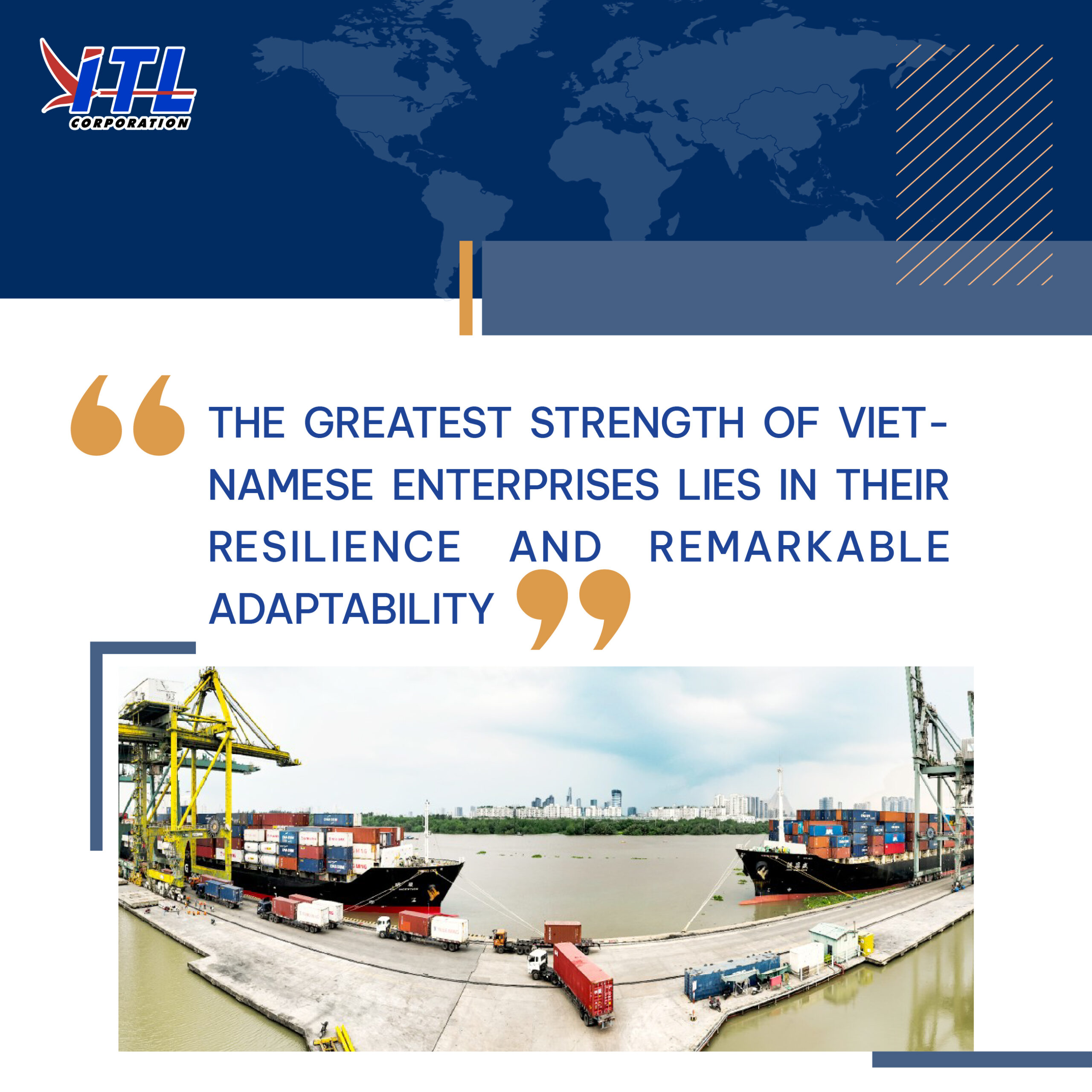
“The greatest strength of Vietnamese enterprises lies in their resilience and remarkable adaptability.”
- With everything unfolding in 2026, both opportunities and challenges, if you could share one short message with Vietnam’s import-export and Logistics business community at this moment, what would it be?
I believe 2026 will continue to be a year marked by considerable volatility, but it will also open up highly promising opportunities for Vietnam’s import-export and Logistics enterprises.
The message I would like to share with the business community is this: in a world that is changing rapidly, the key is not only the ability to adapt, but also the willingness to proactively transform and create new competitive advantages.
Today, global trade is entering a period of profound restructuring. Supply chains are evolving, market requirements are shifting, and expectations surrounding green standards and digital standards are becoming increasingly stringent. While these changes undoubtedly create pressure, they also open up significant opportunities for businesses that can move faster, adapt more flexibly, and invest more strategically.
I believe Vietnamese enterprises should not focus solely on immediate challenges, but instead take a longer-term view of global trends. Vietnam currently holds major advantages through its network of next-generation free trade agreements (FTAs), its growing role within regional supply chains, and the increasingly strong reputation of Vietnamese products in international markets. These factors provide a critical foundation for businesses to expand into new markets, diversify partnerships, and enhance value-added capabilities.
At the same time, Decision No. 2229/QĐ-TTg issued by the Prime Minister, approving the Vietnam Logistics Services Development Strategy for 2025 – 2035, with a vision towards 2050, has established a clear direction for the next stage of development of Vietnam’s Logistics sector. The strategy emphasizes building a modern, sustainable, green, and regionally competitive Logistics industry, with the long-term goal of positioning Vietnam as a key link in global supply chains. This serves not only as a strategic objective, but also as a strong driving force for the business community to proactively accelerate innovation and transformation in the years ahead.
However, the next phase of competition will no longer be driven solely by price, but increasingly by speed of adaptation, service quality, technological capability, and the ability to meet international standards. Therefore, businesses need to invest more strongly in digital transformation, green logistics, supply chain transparency, risk management, and the development of a highly skilled workforce.
I also hope the business community will further strengthen its spirit of collaboration and partnership. In the current environment, it is increasingly difficult for any single company to achieve long-term growth on its own. Stronger connectivity among manufacturers, import-export enterprises, Logistics providers, e-commerce platforms, and financial institutions will create greater competitiveness for the entire business ecosystem.
And finally, I believe the greatest strength of Vietnamese enterprises lies in their resilience and remarkable adaptability. If businesses can effectively seize the opportunities arising from the ongoing shifts in global trade and supply chains, Vietnamese enterprises will be well-positioned to strengthen their standing not only in the domestic market, but also on the international stage in the years ahead.
Other news
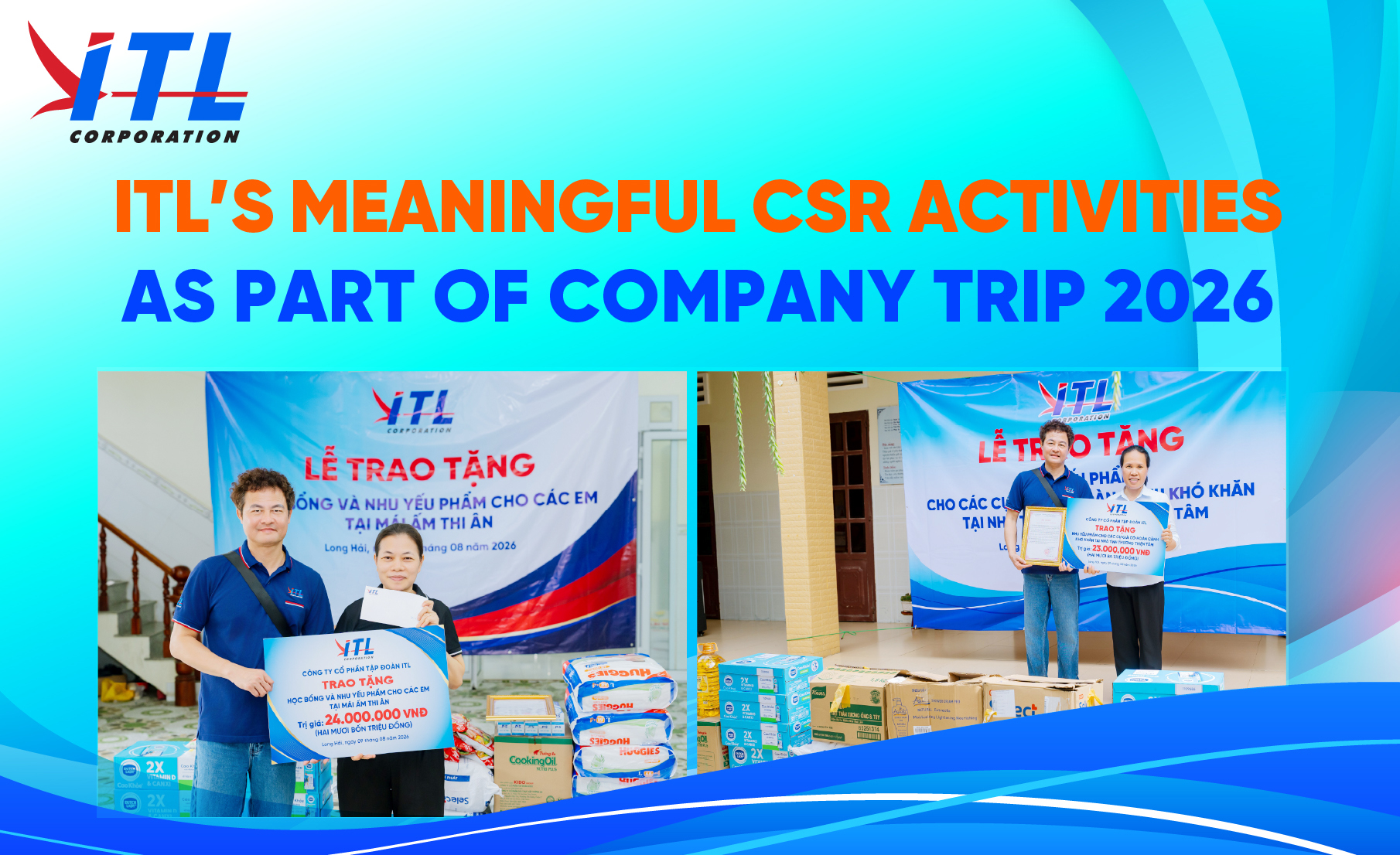
Meaningful CSR Activities By ITL As Part Of Company Trip 2026
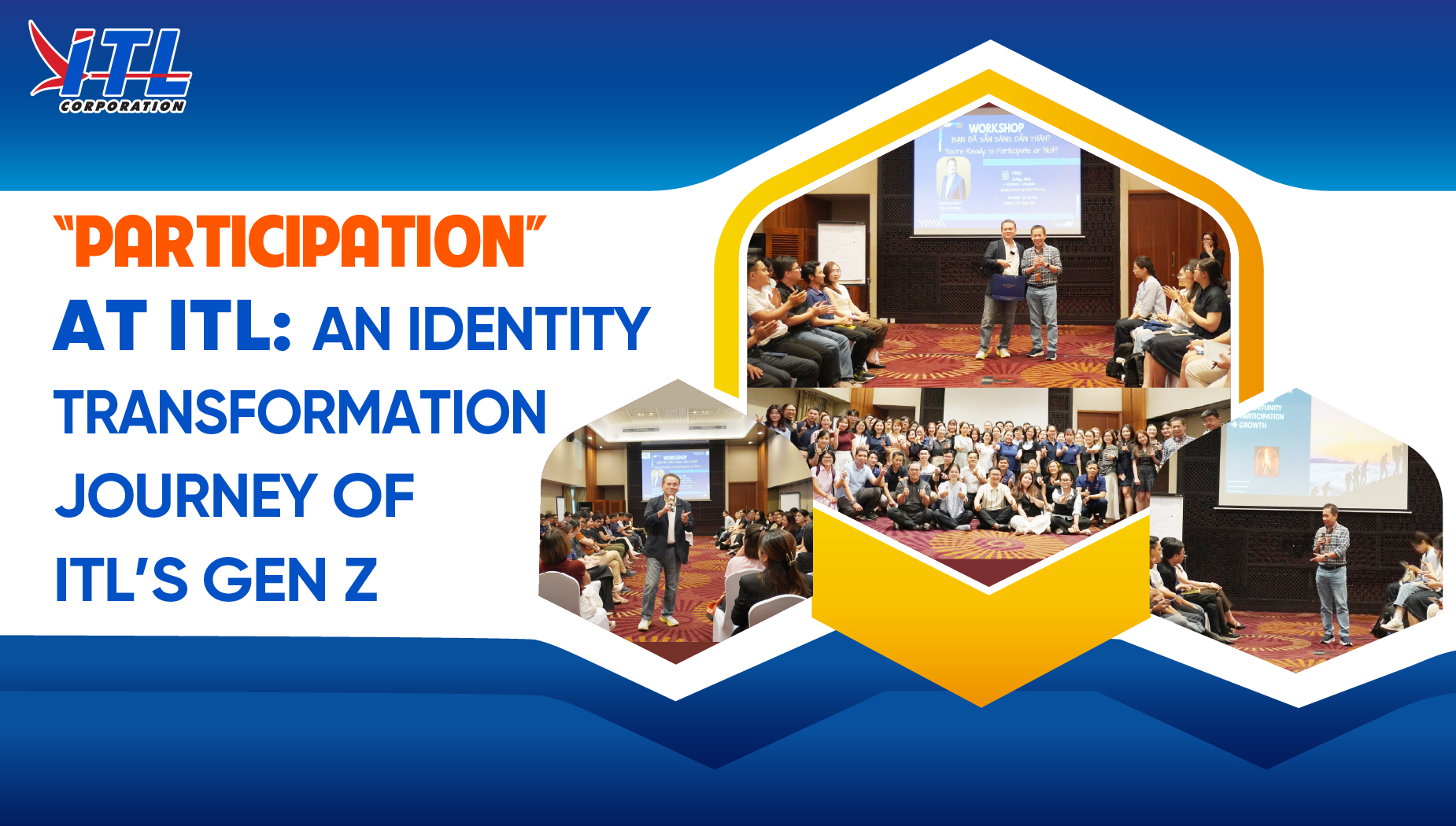
Participation At ITL – An Identity Transformation Journey Of ITL’s Gen Z
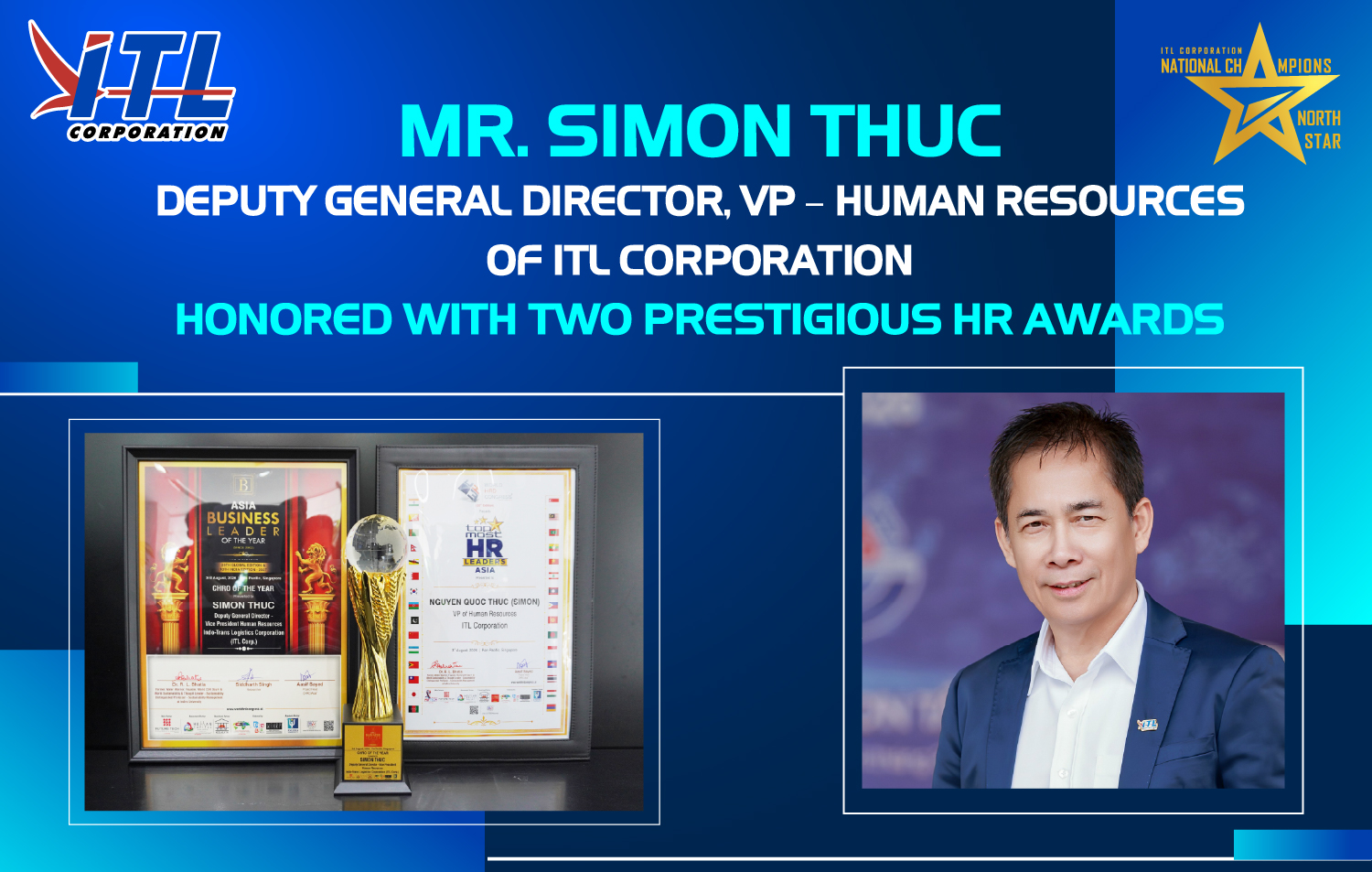
Mr. Simon Thuc – Deputy General Director, VP – Human Resources Of ITL Corporation, Honored With Two Prestigious HR Awards
“Because She Matters” – When The Women Of ITL Are Honored

ITL Officially Kicks Off The Year Of The Horse 2026, Accelerating Toward A New Journey Of Growth
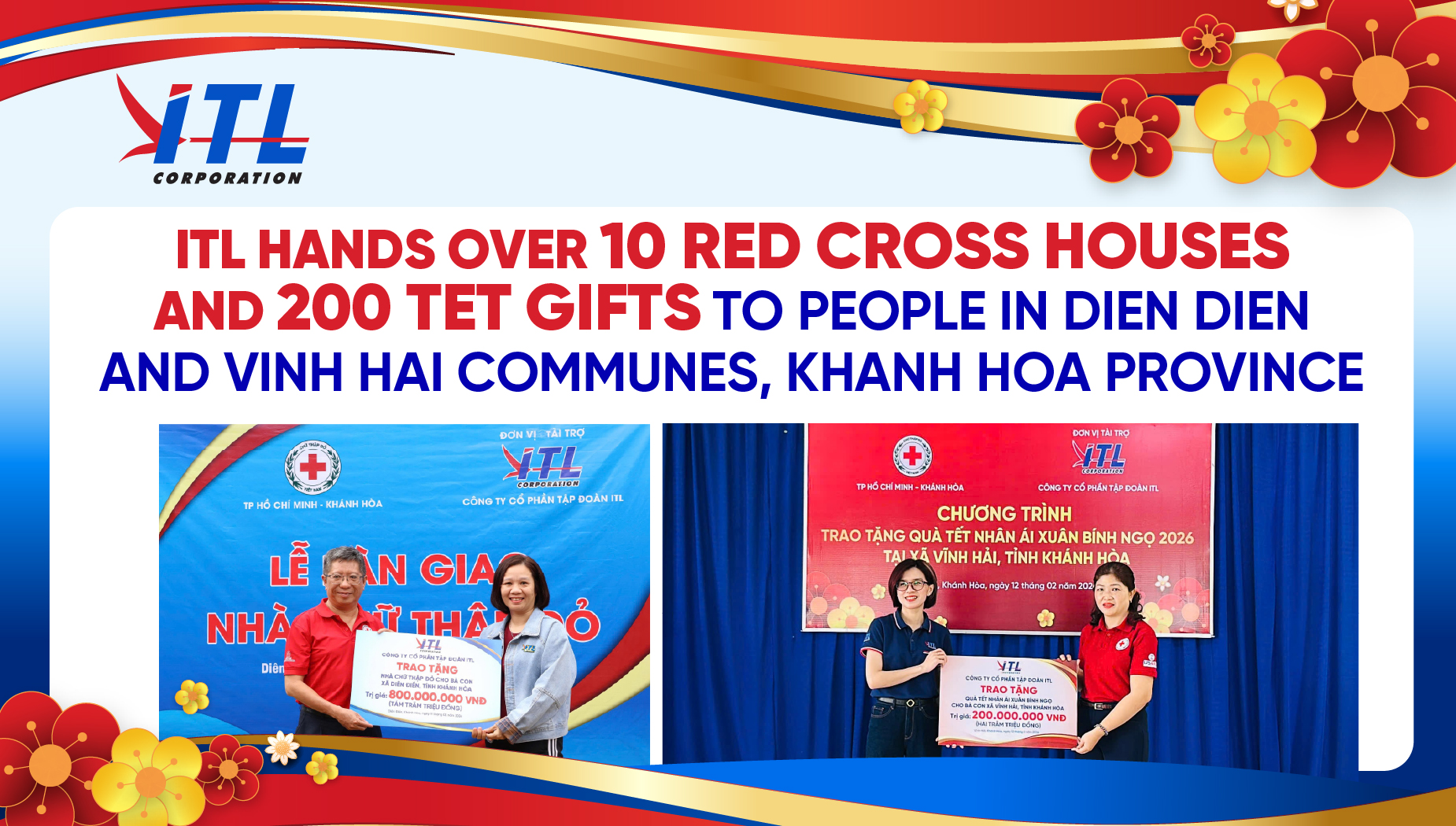
ITL Hands Over 10 Red Cross Houses And 200 Tet Gifts To People In Dien Dien And Vinh Hai Communes, Khanh Hoa Province
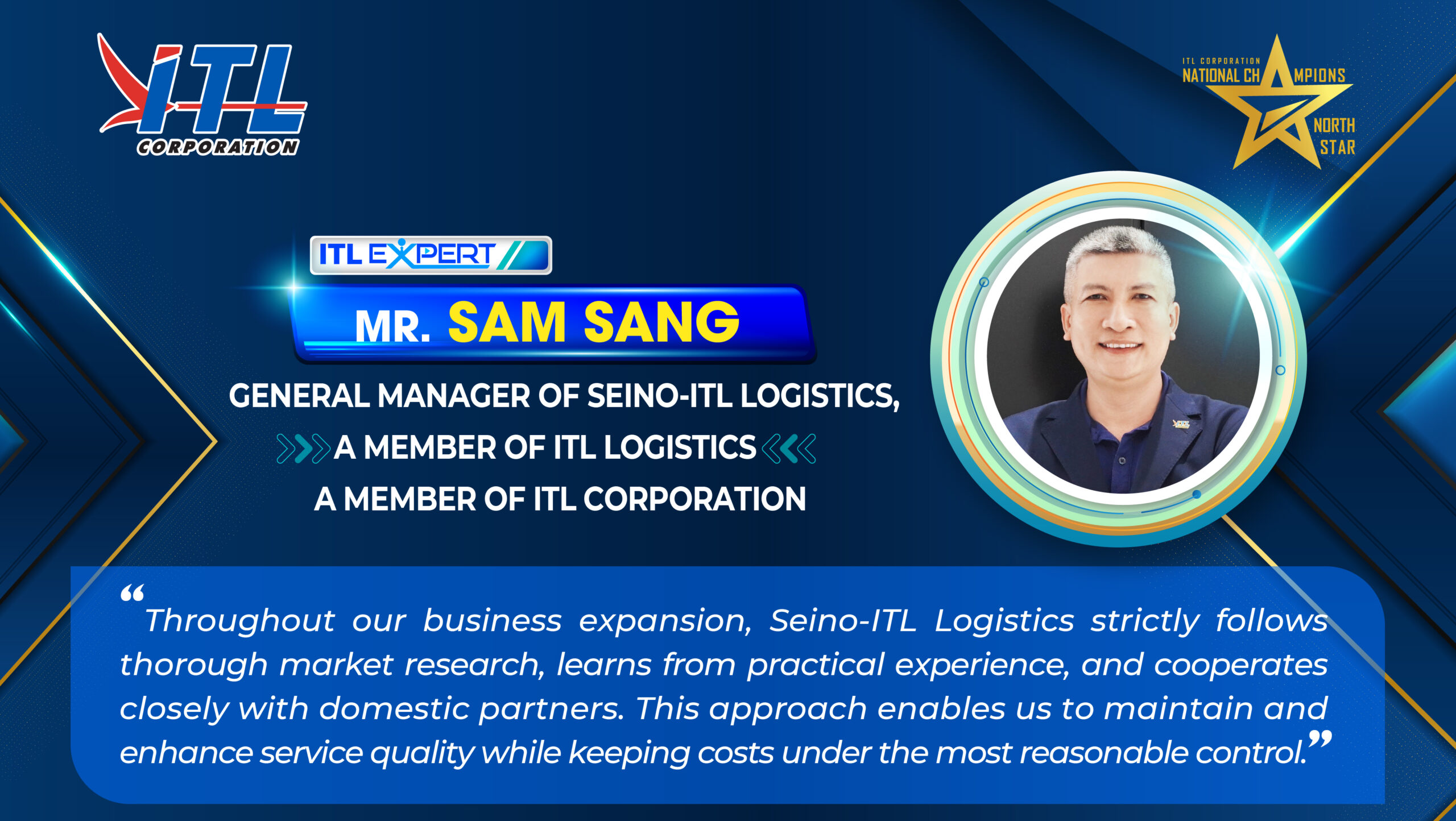
[ITL Expert] Mr. Sam Sang – General Manager Of Seino-ITL Logistics

ITL Thank You Party 2026 The Symphony Of Spring
ITL MANAGEMENT RETREAT 2025 – ise Together, Reach The North Star