
[ITL Expert] Mr. Ben Anh – Group CEO Of ITL Corporation
“Vietnam can become an air cargo hub within the next five years or possibly in as soon as three years.”
In your point of view, what are the driving forces that could enable Vietnam to quickly become a regional air cargo hub?
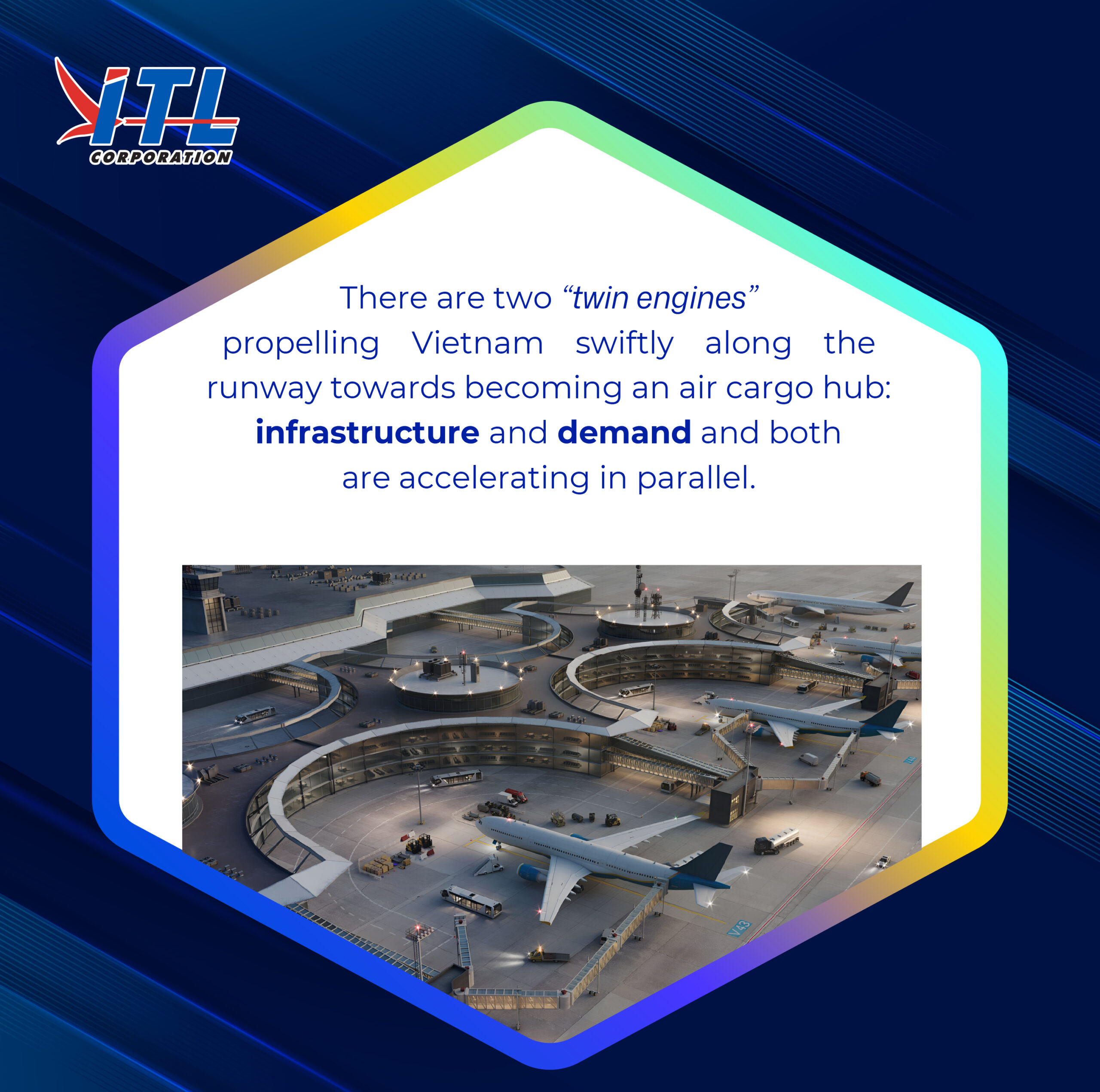
In my observation, there are two “twin engines” propelling Vietnam swiftly along the runway towards becoming an air cargo hub: infrastructure and demand and both are accelerating in parallel.
In terms of infrastructure, the Government is implementing key strategic projects. Long Thanh International Airport is expected to be substantially completed this year and officially operational in 2026. In the North, the master plan for Gia Binh International Airport has just been revised, increasing cargo capacity to 1.6 million tons per year by 2030 and 2.5 million tons by 2050. Notably, both Long Thanh and Gia Binh will have adjacent Logistics park areas. The Government is also making strong efforts to develop infrastructure, with road connections between airports, industrial zones, and seaports being steadily completed.
In terms of demand, Vietnam has become one of the world’s major manufacturing hubs. Air cargo volume currently stands at 1.2 million tons per year—surpassing Malaysia (900,000 tons) and the Philippines (600,000 tons)—and is expected to overtake Thailand within the next two years, thanks to its double-digit growth rate. In the first six months of 2025, the Civil Aviation Authority of Vietnam reported a total cargo throughput of 695,700 tons, up 14.6% compared to the same period in 2024; international cargo alone reached 580,000 tons, up 17.7%.
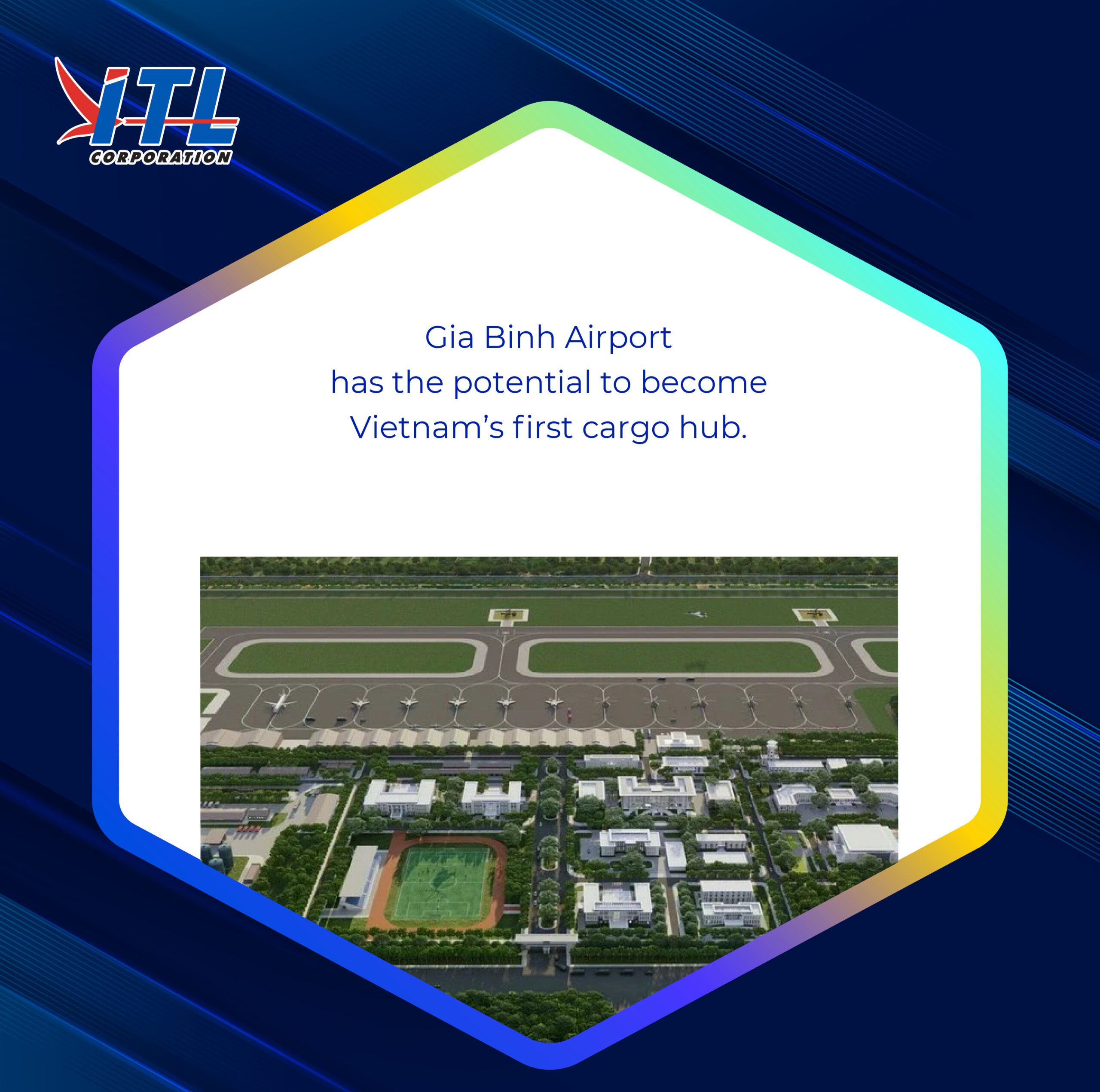
What gives me the greatest confidence is the strong momentum from the Northern region, which accounts for up to 65% of the country’s total air cargo volume and is growing faster than the South, thanks to the concentration of many electronics and high-tech factories—industries with very high demand for air freight. With this advantage, I believe that Gia Binh Airport has the potential to become Vietnam’s first cargo hub.
Aside from infrastructure and demand, what are the decisive factors for Vietnam to truly become a regional air cargo hub?
Infrastructure and demand are the necessary conditions, but to become a true “hub,” we also need the sufficient conditions:
- Strong connectivity, an extensive network of airlines and airports that serves as an operational base for multiple carriers
- Open skies policy, cargo-friendly transit regulations, streamlined customs procedures, and a free-trade environment to ensure smooth flows of international goods in and out
- Synchronized technology integration between airlines, warehouses, customs, and transportation providers.
- Ground cargo handling processes must be efficient and meet strict time standards, especially for high-value and time-sensitive goods such as e-commerce, electronic components, and medical supplies
Lessons learned from major hubs show that:
- Incheon (South Korea) leverages its high-tech manufacturing base and the Incheon Free Economic Zone (IFEZ) to create advantages in Logistics, manufacturing, and research, along with strong public–private partnerships. It also serves as the base for Korean Air — one of the world’s top three air cargo carriers.
- Hong Kong has succeeded thanks to its open policies, modern infrastructure, efficient handling processes, and strategic location near the Greater Bay Area of China
- Although Singapore does not have a large manufacturing base, it has still become an air cargo hub thanks to its open skies policy, superior connectivity infrastructure, and customs and transshipment-friendly policies. Its “Cargo Village” ecosystem and robust digital platforms, such as the Changi Air Cargo Community System (CACC), ensure seamless integration among stakeholders.
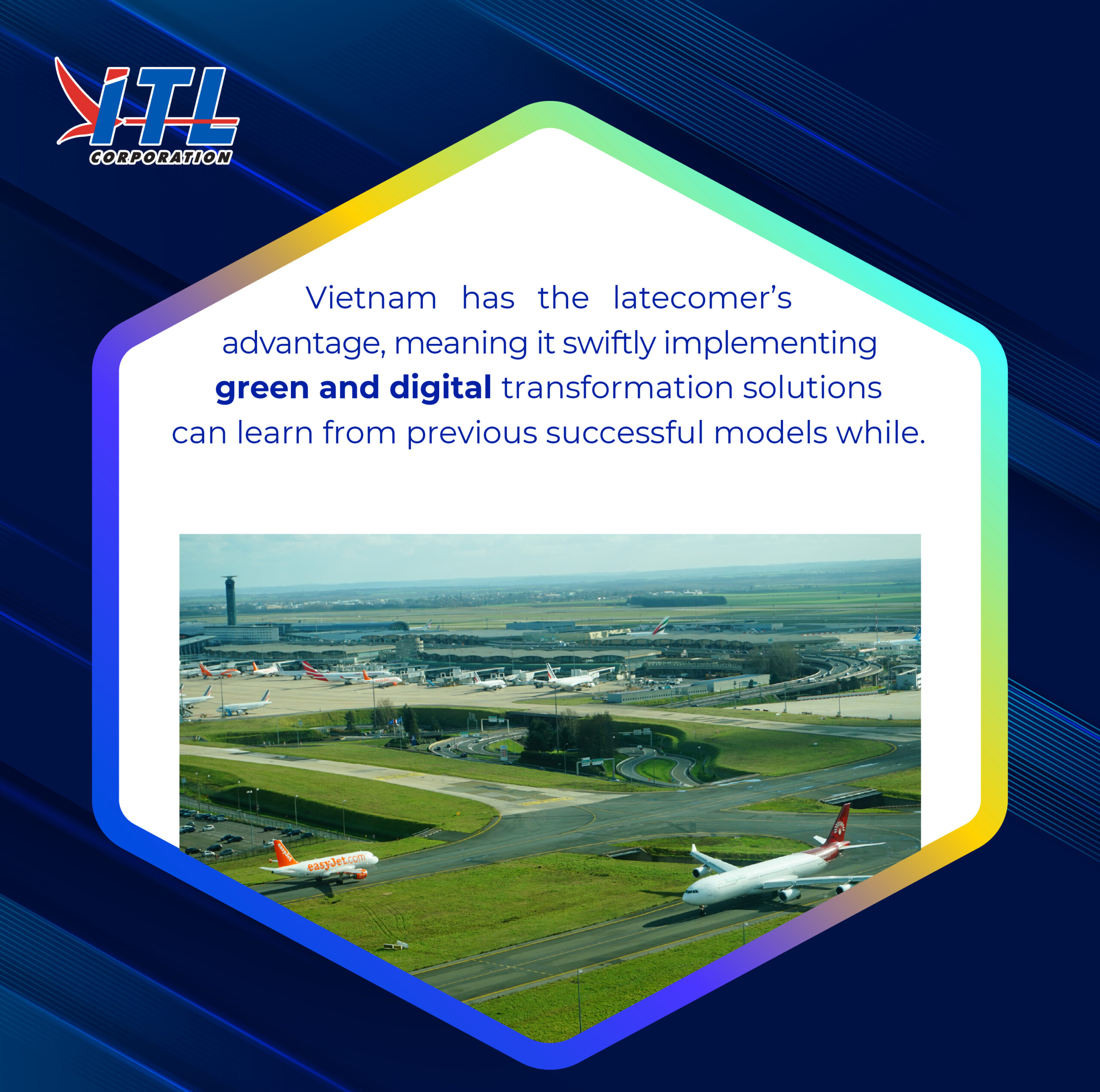
Vietnam has the latecomer’s advantage, meaning it swiftly implementing green and digital transformation solutions can learn from previous successful models while. However, there are two “bottlenecks” we must address immediately:
- Customs and transshipment policies need to be more open and friendly toward cargo
- Development of dedicated cargo airlines – a key factor in completing Vietnam’s position as an air cargo hub
In my point of view, Vietnam can become an air cargo hub within the next five years — or possibly in as soon as three years.
Other news

Participation At ITL – An Identity Transformation Journey Of ITL’s Gen Z

Mr. Simon Thuc – Deputy General Director, VP – Human Resources Of ITL Corporation, Honored With Two Prestigious HR Awards

[ITL Expert – Industry Expert Sharing] Mr. TRAN THANH HAI – Deputy Director General of the Agency of Foreign Trade – Ministry of Industry and Trade

“Because She Matters” – When The Women Of ITL Are Honored

ITL Officially Kicks Off The Year Of The Horse 2026, Accelerating Toward A New Journey Of Growth

ITL Hands Over 10 Red Cross Houses And 200 Tet Gifts To People In Dien Dien And Vinh Hai Communes, Khanh Hoa Province
[ITL Expert] Mr. Sam Sang – General Manager Of Seino-ITL Logistics

ITL Thank You Party 2026 The Symphony Of Spring

ITL MANAGEMENT RETREAT 2025 – ise Together, Reach The North Star